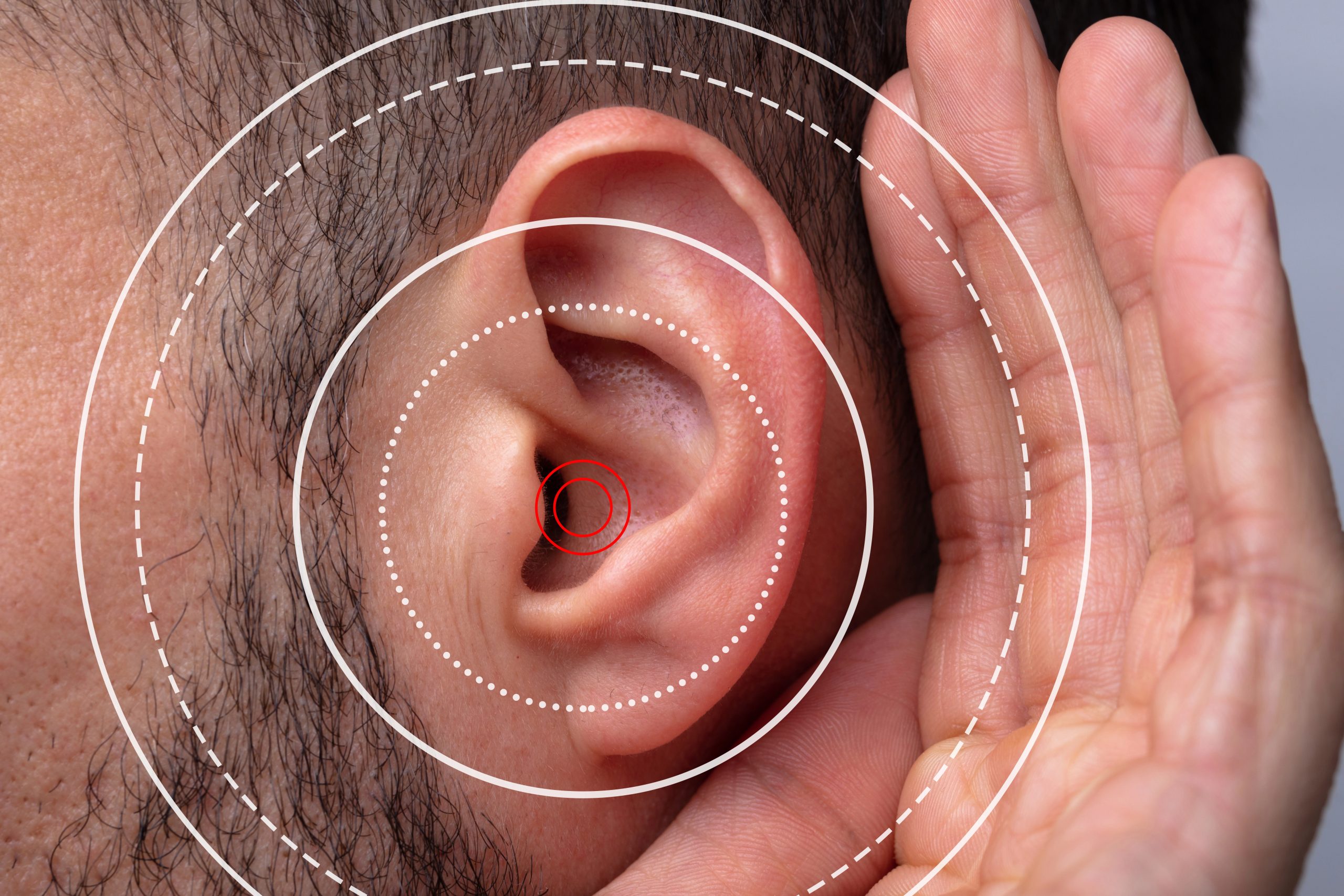
Types of Hearing Loss

Conductive, Sensorineural and Mixed Hearing Loss.
Lorem ipsum dolor sit amet consectetur adipiscing elit. Quisque faucibus ex sapien vitae pellentesque sem placerat. In id cursus mi pretium tellus duis convallis. Tempus leo eu aenean sed diam urna tempor. Pulvinar vivamus fringilla lacus nec metus bibendum egestas. Iaculis massa nisl malesuada lacinia integer nunc posuere. Ut hendrerit semper vel class aptent taciti sociosqu. Ad litora torquent per conubia nostra inceptos himenaeos.

Lorem ipsum dolor sit amet consectetur adipiscing elit. Quisque faucibus ex sapien vitae pellentesque sem placerat. In id cursus mi pretium tellus duis convallis. Tempus leo eu aenean sed diam urna tempor. Pulvinar vivamus fringilla lacus nec metus bibendum egestas. Iaculis massa nisl malesuada lacinia integer nunc posuere. Ut hendrerit semper vel class aptent taciti sociosqu. Ad litora torquent per conubia nostra inceptos himenaeos.

Conductive hearing loss happens when sound cannot move effectively through the outer or middle ear. This can be caused by issues like earwax buildup, fluid from infections, or a perforated eardrum. People with this type often notice muffled sounds, a feeling of fullness in the ear, or that they hear better in one ear than the other. Since the inner ear is usually unaffected, this type can sometimes be treated medically or surgically.

Sensorineural hearing loss occurs when there is damage to the inner ear (cochlea) or the auditory nerve pathways to the brain. It is the most common type and is usually permanent, often linked to aging, prolonged noise exposure, or inner ear conditions. People with this type often struggle with clarity—sounds may seem distorted, and speech is especially difficult to understand in noisy environments.

Mixed hearing loss is a combination of conductive and sensorineural hearing loss, meaning both the outer/middle ear and inner ear are affected. For example, someone with age-related hearing loss might also have a blockage or infection in the middle ear. Symptoms include both muffled and unclear sounds, and while treatment may improve part of the problem, amplification is often still needed.

Our Technology Partners

Book an Appointment Today

Follow Us!

Location

  • Address Line 1
    Address Line 2
  • (xxx) xxx-xxxx
  • Office Hours:
    Days & Times

Location

  • Address Line 1
    Address Line 2
  • (xxx) xxx-xxxx
  • Office Hours:
    Days & Times
© 2025 Practice Name. All Rights Reserved | Privacy Policy | Website by Beeman Marketing